Key Points:
1. The Future of Banking is Intelligent Banking: The industry is moving beyond traditional modernization and digitalization into a new era of Intelligent Banking, where AI, data, cloud technologies, and composable architectures are embedded into banking operations. Future competitiveness will depend less on having digital channels and more on a bank’s ability to make smarter decisions, deliver personalized experiences, and operate with greater agility.
2. Embedded AI Delivers Real Business Value: Banks are discovering that AI creates the greatest impact when it is integrated directly into core banking processes rather than deployed as standalone tools. Embedded AI can enhance customer engagement, improve operational efficiency, and strengthen risk and compliance capabilities. Collectively these transforms AI from experimental technology into a driver of growth, productivity, and resilience.
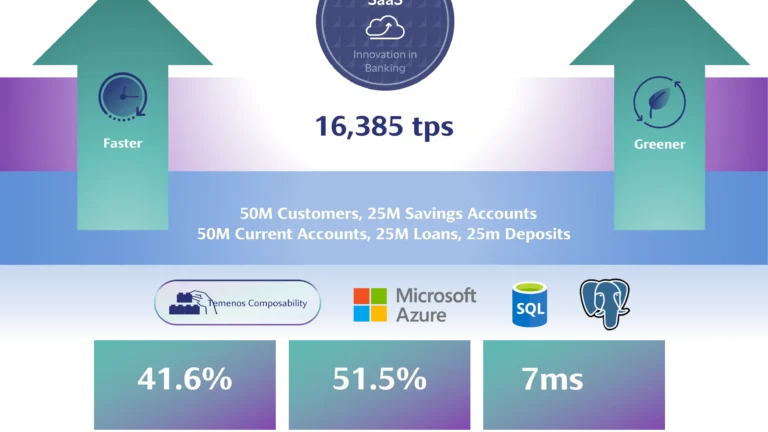
3. Composable Modernization Enables Faster, Lower-Risk Transformation: Rather than pursuing costly “big bang” replacements, banks can adopt a composable approach that allows modernization to happen progressively. By combining cloud-native technologies, modular capabilities, and ecosystem partnerships, Indonesian banks can accelerate innovation, reduce transformation risk, and realize the benefits of Intelligent Banking within months rather than years.
Introduction
Indonesia’s banking industry is entering one of its most important transformation periods. Over the past decade, banks have invested heavily in digital channels, mobile applications, payments modernization, and customer acquisition. These investments have helped Indonesian banks expand financial access, improve convenience, and accelerate growth.
However, the next phase of transformation will require more than digital services. As customer expectations continue to rise, operating environments become more complex, and competition intensifies, banks must evolve beyond digital banking toward what we call “Intelligent Banking.” Intelligent Banking is an end-state in banking where artificial intelligence, data, cloud technology, and composable banking architectures combine to create smarter, more agile, and more resilient financial institutions.
A New Set of Strategic Challenges
During our conversations with banking leaders across Indonesia and the wider Asia-Pacific region, four priorities consistently dominate boardroom discussions:
- Accelerating growth and innovation.
- Delivering superior customer experiences.
- Improving operational efficiency.
- Strengthening risk and compliance capabilities.
These priorities are interconnected. Banks need to launch products faster, serve customers more personally, reduce operational costs, and maintain robust governance in an increasingly regulated environment. Yet many institutions are attempting to achieve these objectives while relying on technology architecture designed for a vastly different era. The challenge facing banking leaders is no longer whether transformation is necessary. The challenge is how to modernize without disrupting existing operations while creating a platform for future growth.
The Shift from Digital Banking to Intelligent Banking
The banking industry has already undergone two major phases of evolution:
- The first was modernization, which focused on improving operational efficiency and replacing aging infrastructure.
- The second was digitalization. These introduced mobile banking, digital channels, and improved customer access.
Today, we are entering a third phase: Intelligent Banking. Unlike traditional digital transformation initiatives, Intelligent Banking embeds intelligence directly into banking processes and customer journeys. AI is not treated as an added-on capability but as a foundational component of decision-making, operations, risk management, and customer engagement. For Indonesian banks, this is especially important as competition increasingly depends on the ability to deliver real-time, personalized, and data-driven services at scale.
The Case for Embedded AI Against A “Bolted-On AI”
Many banks have experimented with AI through pilots and isolated use cases. The institutions creating the greatest impact in AI adoption, however, are taking a different approach. Their approach involves embedding AI directly into their banking platforms and processes. At Temenos, we believe intelligent banking should leverage AI across three dimensions:
- Better Customer Engagement: AI can provide more personalized recommendations, improve customer interactions and support relationship managers with deeper customer insights.
- Greater Operational Efficiency: AI-powered assistants and agents help banks automate routine work, improve efficiency, and increase productivity.
- Stronger Risk and Compliance: AI helps banks combat increasingly sophisticated financial crime through smarter fraud detection, transaction monitoring, sanctions screening, and risk assessment.
Again, the objective is not to replace human expertise. Rather, it is to augment human decision-making with intelligence that is faster, more consistent, and more scalable.
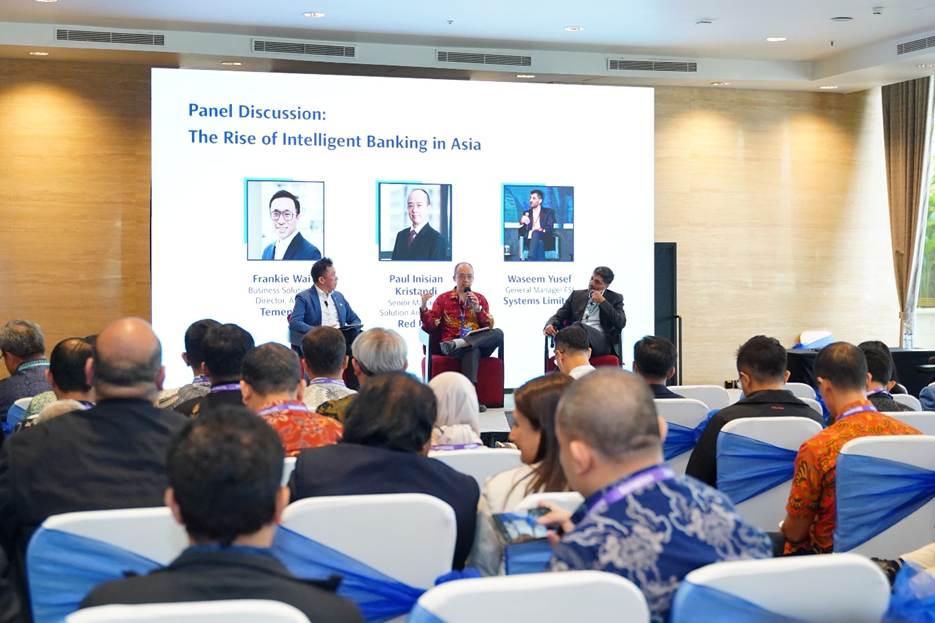
Many banks have added AI to legacy systems, but true intelligent banking requires AI embedded in a cloud-native transactional core. Without core modernization, AI remains an expensive proof of concept rather than a driver of operational and revenue growth.”
Waseem Yusaf
General Manager Asia Pacific, Systems Limited
Why Composable Banking is Gaining Momentum
As AI adoption continues as a key trend across banking innovation in Asia Pacific, one of the most significant shifts developing consequently is the move toward composable architectures. Historically, banks often faced an “all-or-nothing” modernization decision. Today, with the increasing need for banking agility, modernization needs a progressive, nuanced approach, resulting in a renewed push for composability. Composable banking as a philosophy allows institutions to deploy standalone capabilities with clear functional boundaries, independent data ownership, and flexible integration models. Rather than replacing everything simultaneously, banks can modernize incrementally based on business priorities.
A composable banking approach enables banks to modernize gradually by running cloud-native applications alongside legacy systems.”
Paul Kristandi
Senior Manager Solution Architect, Red Hat
This approach provides several business advantages, including faster innovation cycles, reduced implementation risk, improved flexibility, better integration with ecosystem partners and greater agility to respond to market demands. For Indonesian banks, where modernization requirements often vary across retail, SME, corporate and Islamic banking businesses, composability enables transformation at a pace aligned with strategic objectives. With the right approach, Indonesian banks can now progressively adopt AI-related initiatives. Intelligent Banking is a realizable vision readily available within months instead of years.
Building a Technology Foundation for Indonesia’s Growth
Indonesia’s banking growth is expanding across corporate banking, payments, trade finance, and wealth management. Banks need integrated platforms that connect end-to-end capabilities while enabling innovation through cloud, AI, and ecosystem collaboration, thus making intelligent banking a reality today, not a future aspiration.
Indonesia possesses many of the characteristics that will define future banking success. The market has a large and digitally engaged population, a rapid adoption of digital services, strong economic growth prospects, an increasing demand for innovative financial products, and a continued investment in payment and banking infrastructure. For Indonesian banks, the opportunity is clear. The competitive advantage of tomorrow will not be determined solely by digital channels. It will be determined by how effectively banks harness intelligence, data, and modern technology to create personalized, resilient, and future-ready banking experiences.
The era of Intelligent Banking has begun. Intelligent Banking is emerging, not by adding AI as another layer, but by redefining how banking works.
The pace of change is quantum. Banks are moving from navigating systems to engaging with intelligent systems that are contextual, conversational, and continuously learning, always guided by human-centric design and human oversight.
This is shaping the next operating model for banking. The opportunity belongs to those who can reimagine and actualize the next phase of banking.