Key takeaways:
1. The goal of modernization is a future-proofed bank – SACOMBANK’s transformation shows that successful banks do not simply replace legacy systems. They build adaptable foundations that evolve with changing customer, business priorities, and emerging technologies.
2. Transformation is a business initiative not an IT project – SACOMBANK’s success was driven by strong leadership, stakeholder alignment, and shared ownership across the organization.
3. A modern core powers continuous innovation – By combining Temenos and IBM technologies, SACOMBANK established a scalable foundation for AI adoption, digital innovation, and long-term growth.
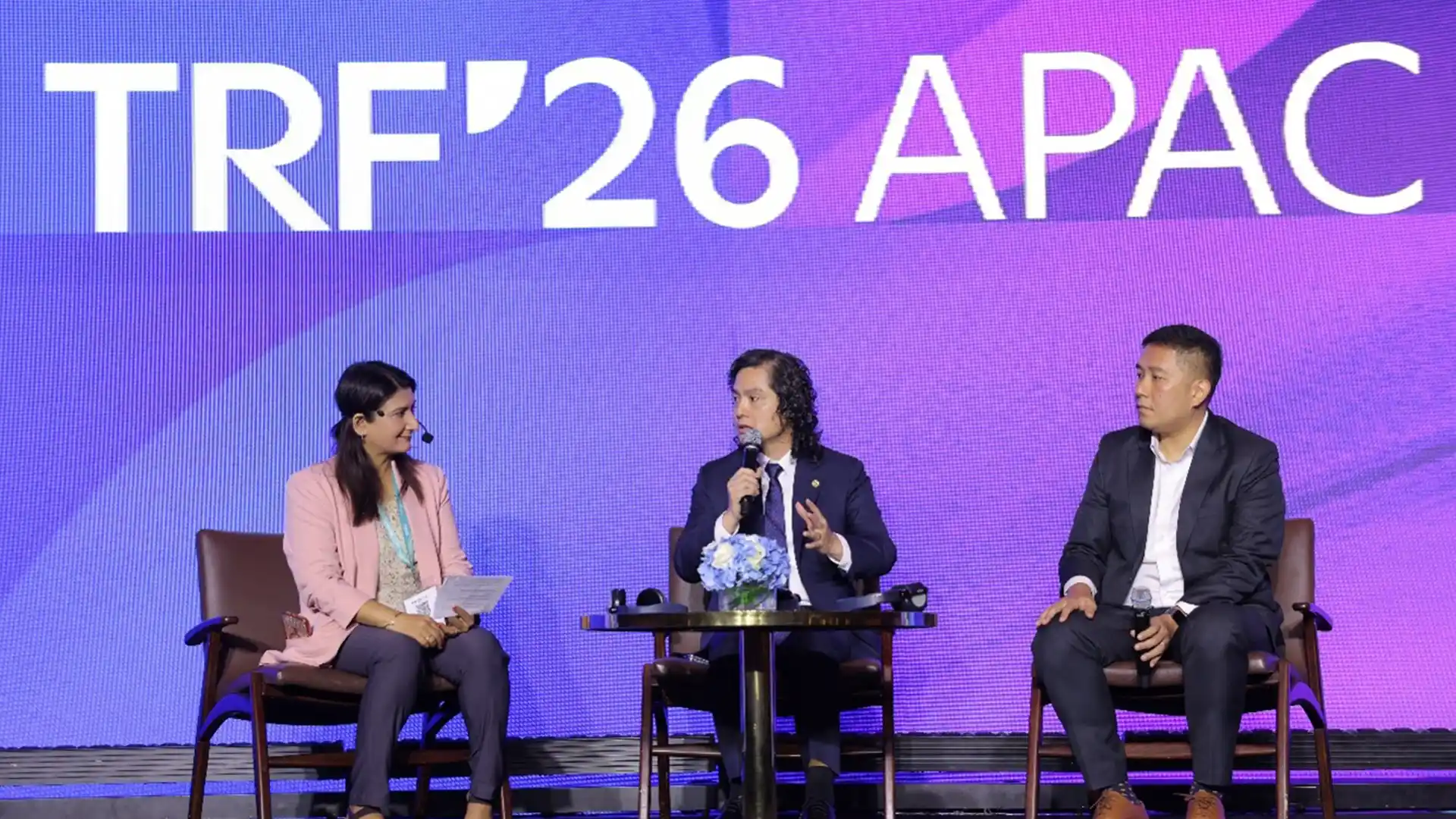
Gayathri Venkataramanan, Head of Support APAC, Temenos shares the stage with Luu Danh Duc, Deputy CEO, SACOMBANK and Francis Ong, Director – IBM Power and Cloud ASEAN, IBM uncovering the key elements of SACOMBANK’s success.
Building a future-proof foundation
Hanoi– Banking transformation is no longer solely defined by modernization. In an era shaped by AI, cybersecurity threats, and evolving regulations, banks need technology foundations that can adapt as customer expectations, business priorities and market conditions change.
SACOMBANK’s transformation journey reflects this shift. Rather than treating modernization as a one-time technology replacement, the bank focused on building a scalable and resilient core platform capable of supporting long-term growth, continuous innovation and future business requirements.
By combining Temenos’ cloud-native banking platform with IBM Power and Red Hat OpenShift, SCOMBANK established an adaptable foundation designed to evolve alongside emerging technology and changing business needs. The transformation has already delivered tangible benefits, including approximately 200% improved performance. Beyond these immediate gains, the bank has established a platform that can support future innovation and business growth.
Leadership and ownership drive transformation
Technology alone does not create transformation. Deputy Chief Executive Officer Luu Danh Duc highlighted several factors that contributed to the success of SACOMBANK’s modernization initiative. Strong stakeholder engagement helped establish shared ownership across the bank. Executive leadership remained actively involved throughout the project, accelerating decision-making and helping resolve challenges rapidly.
Equally important was the cultivation of a culture where teams felt comfortable identifying risks early and openly discussing their concerns. According to Mr. Duc, the most resilient organizations are not those that avoid challenges. They are the ones that surface challenges early, address them transparently, and align the organization around a common goal.
This business-led approach was instrumental in enabling SACOMBANK to accelerate execution and achieve three-times faster development cycles, creating greater agility in responding to changing customer and market needs. The lesson is clear: future-proofing does not start with technology. It starts with leadership, ownership, and organizational alignment.
A platform for continuous innovation
Temenos Deputy Chief Technology Officer Nanda Badrappan describes this approach as building a “hybrid-capable architecture:” one designed for portability, adaptability, and future flexibility. Leveraging cloud-native principles, APIs, containerization, and technology-agnostic design, banks can deploy workloads where they perform best while retaining the ability to evolve as business requirements change.
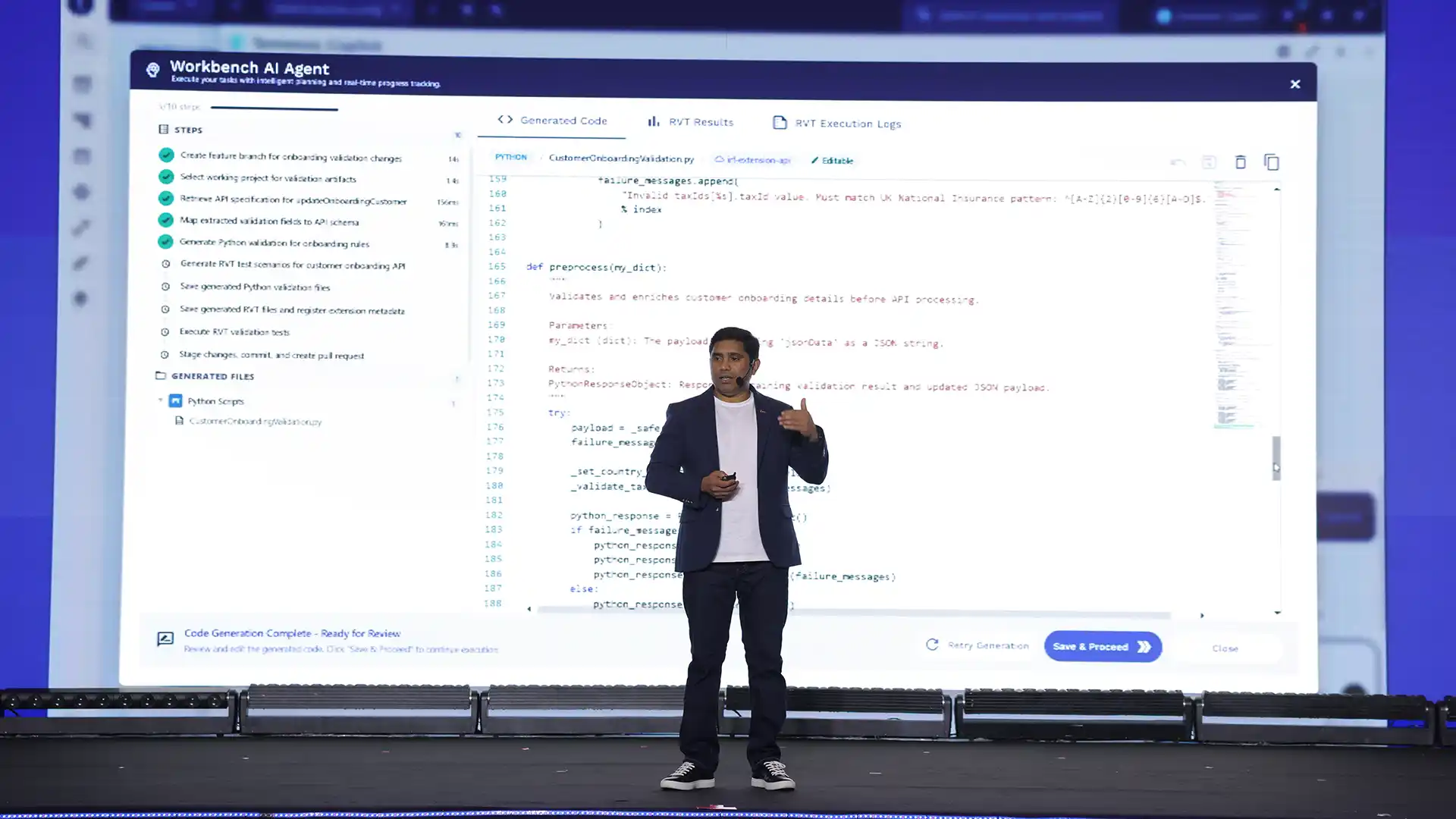
Nanda Badrappan, Deputy Chief Technology Officer, Temenos, showcases Temenos workbench AI Agent at the Temenos Regional Forum 2026 (APAC).
For SACOMBANK, this architecture does not simply support today’s operations. It is creating the foundation for the bank to capture tomorrow’s growth opportunities.
A recurring theme across banking conversations in Asia Pacific is that successful AI adoption is not primarily an AI challenge. It is a technology foundation challenge. Banks seeking to scale AI responsibly need trusted and governed data, security by design, strong governance frameworks, and architectures that evolve with technology.
By modernizing its core banking platform, SACOMBANK has established the trusted data, scalability, and architectural flexibility required to support AI-enabled services, intelligent fraud detection, advanced payments capabilities, and data-driven customer experiences.
At the same time, the transformation has delivered greater infrastructure efficiency, demonstrating that future-proofing can create immediate operational value while preparing the bank for future innovation.
Turning technical success into business success
The greatest outcome of SACOMBANK’s transformation is not a performance metric alone. It is the creation of a future-proofed core banking platform. By combining Temenos’ banking capabilities with IBM’s resilient infrastructure, SACOMBANK has built a foundation for continuous innovation, AI adoption, and future growth.
For banks across Asia Pacific, the lesson is clear: modernization should not be about replacing technology. It should be about future-proofing the bank. SACOMBANK’s journey demonstrates how a modern core banking platform, supported by strong leadership and the right technology ecosystem, can create a foundation for continuous innovation, resilience, and growth.
In a world defined by constant change, the most valuable investment a bank can make is not in the next technological upgrade, but in a platform designed to continuously evolve.

SACOMBANK’s Deputy CEO, Mr. Duc is honoured at Temenos Regional Forum 2026 with the Customer Impact Award. From left to right: Leo Binh, Account Director, Vietnam, Temenos (far left), William Dale, Managing Director Asia Pacific, Temenos (center left), Luu Danh Duc, Deputy Chief Executive Officer, Sacombank, Abhijit Roy, Head of Existing Business Emerging Asia (center right), and Takis Spiliopoulos, Chief Executive Officer, Temenos (far right).
New global research from Celent finds banks’ technology investment priorities are not meeting customers’ growing expectations in personalization, payments and fraud protection. To maintain and win new customers, to innovate and to compete, banks must build a future-proofed technology foundation.